
Transforming a Cold and Empty Living Room into a Cozy Retreat
5/23/20264 min read


Understanding the Problem: Why Your Living Room Feels Cold and Empty
A living room serves as the heart of the home, yet many homeowners find their spaces lacking warmth and character. The reasons for this perception can often be traced back to several key factors. One notable aspect to consider is the color scheme. Cold hues such as blues and grays can make a room feel impersonal, whereas warm tones like yellows, light oranges, and earthy browns create an inviting atmosphere. Color choices not only influence aesthetics but also affect the overall mood of the space.
Another contributing factor is the absence of sufficient textiles. Soft furnishings like rugs, curtains, and throw pillows play a crucial role in making a living room feel cozy. A carpeted floor often adds warmth and comfort while visually appealing textiles can soften the starkness that comes from bare surfaces. By neglecting these elements, a room can feel cold and unwelcoming.
Minimal decor is another common issue. Spaces that lack personal touches or expressive decor can feel empty and disconnected. Items such as family photos, art pieces, and decorative elements allow individuals to infuse their personality into the space, transforming it from a mere living room to a personalized retreat.
Furthermore, the layout and furniture placement significantly influence how welcoming a living room appears. An open, spacious layout may seem airy but can also feel uninviting if not properly arranged. Cozy corners with comfortable seating encourage interaction and warmth, while disconnected furniture arrangements can create feelings of isolation.By addressing these points, homeowners can develop a clearer understanding of why their living room may lack warmth and character, paving the way for effective transformation.
Layering Textiles: The Key to Comfort
Transforming a cold and empty living room into a cozy retreat heavily relies on the strategic use of textiles. Throw blankets, cushions, and area rugs play essential roles in enhancing both the comfort and aesthetic appeal of any space. The importance of texture cannot be overstated, as different materials contribute significantly to creating an inviting atmosphere.
Throw blankets are a versatile element that can easily add warmth to a living space. Opt for soft, luxurious fabrics such as fleece, wool, or cashmere to invite an element of snugness. Drape these over your couch or armchairs for an effortless touch that encourages relaxation. Additionally, consider varying the blanket's patterns and colors to create a more dynamic visual interest.
Cushions are another critical component in layering textiles. Mixing sizes, shapes, and textures can instantly elevate the comfort of seating areas. Choose cushions with varying densities—some firm for support and others softer for cozy lounging. Fabrics such as cotton, linen, or plush velvet for cushion covers not only add comfort but also contribute significantly to the room's overall aesthetics. Patterns and colors should complement the existing decor, ensuring harmony in design.
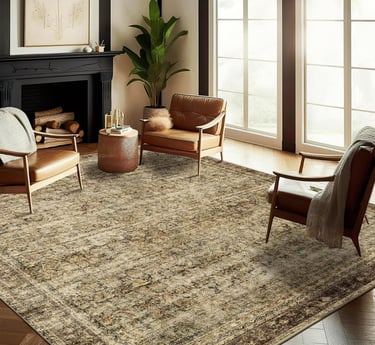
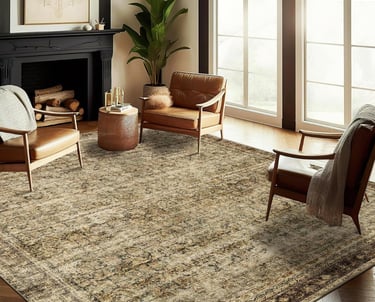
Area rugs serve as the foundation for textile layering, helping delineate spaces while adding warmth underfoot. A well-chosen rug can anchor your living room design, providing a tactile layer that invites barefoot movement. Consider materials such as wool or jute for their natural warmth and durability. Layering smaller rugs over a larger one can create visual interest and facilitate easy changes in the living room's mood.
Incorporating these layered textiles—throw blankets, cushions, and area rugs—ensures a cozy retreat that balances comfort with style. Thoughtful selection and placement of these elements can significantly enhance the living room experience, making it a welcoming sanctuary for you and your guests.
Lighting Matters: Creating a Warm Ambience
Lighting plays a pivotal role in defining the atmosphere of a living room. Proper lighting not only enhances the aesthetic appeal but also significantly influences the mood and usability of the space. By understanding and utilizing different types of lighting—ambient, task, and accent—you can transform a cold and empty living room into a cozy retreat.
Ambient lighting serves as the foundational layer of illumination, providing a general glow that fills the room. This can be achieved through overhead fixtures such as chandeliers or recessed lights. Dimming options are invaluable for ambient lighting; they allow you to adjust brightness according to the time of day or occasion, transitioning the space from a bright daytime setting to a soft, inviting evening retreat.
Task lighting is essential for areas designated for specific activities, like reading or working. Floor lamps and table lamps are excellent options for adding targeted illumination while simultaneously accentuating the decor. Choosing warm-toned bulbs can enhance the comfort level, making these areas conducive for relaxation or productivity. Consider variably height-adjustable lamps that can be moved and repositioned as needed for versatility.
Accent lighting adds depth and visual interest, drawing attention to artwork, architectural features, or decorative elements. Wall sconces, pendant lights, or even strategically placed candles can create inviting focal points. The flickering glow of candlelight, in particular, contributes an unmistakable warmth that encapsulates the essence of coziness.
To further personalize your living space, consider incorporating lighting that can be adjusted according to different occasions. Smart lighting systems offer customizable options that allow you to create unique atmospheres at the touch of a button, catering to everything from intimate gatherings to lively social interactions.
Personal Touches: Incorporating Art, Greenery, and Decor
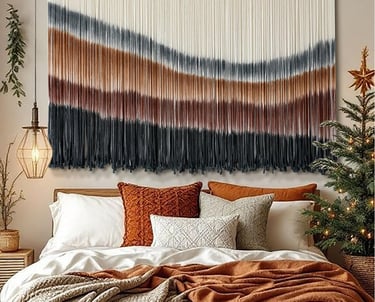
To transform a cold and empty living room into a cozy retreat, personal touches in the form of art, greenery, and decor are vital. These elements not only add warmth but also create visual interest and reflect your personality. Incorporating art can begin with selecting pieces that resonate with you, whether they are framed photographs, paintings, or wall hangings. Choose artwork that complements the color palette of your living room while ensuring it aligns with your overall design aesthetic.
For a harmonious look, consider arranging art in a gallery style on one wall, which can create a striking focal point. Utilize various sizes and versions of artwork, placing larger pieces lower to the ground and smaller pieces higher up. This not only enhances depth but also promotes a balanced view across the room. Moreover, make sure to maintain symmetry where appropriate, utilizing pairs of art pieces or closely matching sculptures that can help in developing a cohesive look.
Incorporating greenery through houseplants is equally essential. Plants serve as a natural way to soften the space and introduce color and texture. When selecting plants, opt for ones that thrive indoors and are suitable for low or bright light, depending on your living room’s exposure. Incorporating various heights and types, from tall floor plants to small tabletop varieties, can greatly enhance visual balance.
Finally, decorative pieces such as vases, books, and unique finds from travels can enrich your living room’s atmosphere. The key is to curate these elements in moderation, creating balance without overcrowding. By thoughtfully integrating art, plants, and decor, you will succeed in crafting a welcoming and personalized retreat that is both stylish and inviting.





Subscribe Now to Receive Your Free Household Management Planner
Customer Care
Contactus@OsunaHomeTrends.com
Osuna Home Trends is a branch of The Osuna Project LLC
*Affiliate Links receive a small commission to help keep our site running
Contact Us
FAQ