
Transform Your Space: The Impact of No Curtains
5/6/20264 min read


The Bold Statement of No Curtains
Opting for no curtains in your home is a design choice that speaks volumes about modern aesthetics and lifestyle preferences. This decision not only enhances the visual appeal of a space but also transforms its atmospheric qualities significantly. By eliminating curtains, homeowners can create an unobstructed view of the outside, allowing natural light to flood in freely. This openness fosters a greater connection with the surrounding environment, creating a seamless transition between indoor and outdoor spaces.
The choice to forego curtains often embodies the principles of minimalist design, a trend that has seen considerable growth in recent years. Minimalism emphasizes simplicity, functionality, and an uncluttered aesthetic. Without the traditional window treatments, a room can feel more spacious and airy, both psychologically and physically. The absence of curtains reduces visual barriers and promotes a sense of tranquility and harmony within the space, reflecting the ethos of modern interior design philosophies.
Moreover, this style supports the notion of authenticity in design. With no curtains, one can showcase elements of architecture such as large windows, unique frames, or picturesque views, all of which contribute to the character of the home. This approach not only highlights the beauty of the surroundings but also encourages a lifestyle that values openness and light. In an era where many are seeking refuge from overly cluttered environments, the bold statement of choosing no curtains can also serve as a reminder of the importance of clarity and simplicity in our daily lives.
Key Design Principles for a Curtain-Free Room
Designing a room without curtains requires careful consideration of various essential principles that contribute to a harmonious and aesthetically pleasing environment. One of the fundamental strategies is to effectively frame the windows. This can be achieved by using architectural elements to highlight the window's shape and size, thereby creating a focal point within the room. For instance, adding window molding or trims can draw attention to the windows, enhancing their impact while maintaining the airy atmosphere that a curtain-free space affords.
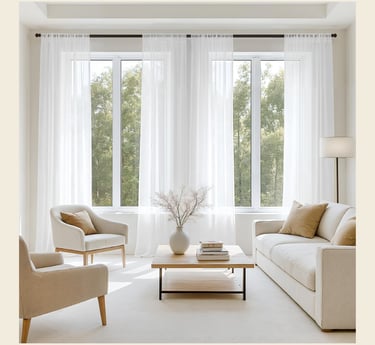
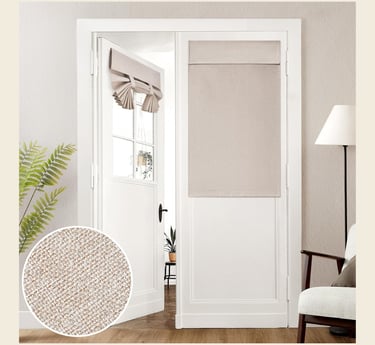
Utilizing light and airy fabrics is another vital aspect of this design approach. Sheer materials, light linens, and breathable textiles allow natural light to filter through while still providing some degree of privacy. These materials introduce a sense of openness and tranquility, which is particularly beneficial in spaces where one wishes to cultivate a serene ambiance. Incorporating such fabrics, even if not used as traditional curtains, can ensure that the room retains a soft, inviting feel.
Sticking to neutral tones is essential for maintaining a cohesive look in a curtain-free room. A palette dominated by whites, beiges, or soft pastels not only enhances the perception of space but also grounds the overall design. Neutral tones allow the natural light to reflect beautifully off various surfaces, enriching the room's visual appeal. Moreover, selecting the right window treatments is crucial; options such as blinds, shades, or shutters should enhance the aesthetic without overpowering it. The right choice can complement rather than distract from the overall theme of the room, thus achieving a seamless integration with the design elements.
Creating Softness and Warmth Without Curtains
In the quest to enhance the aesthetic of a living space, the absence of traditional curtains can be seen as both a challenge and an opportunity. Instead of relying solely on curtains to soften windows and create warmth, there are a variety of alternatives that can provide a similar effect, while simultaneously offering a fresh, uncluttered look. Incorporating various textiles such as throw pillows, area rugs, and decorative elements can add layers of comfort and character to any room.
Throw pillows are an excellent way to introduce softness and visual interest. By choosing pillows with different textures—such as velvet, cotton, or linen—homeowners can create a cozy atmosphere without the need for heavy drapery. Mixing and matching colors and patterns can also contribute to a vibrant yet harmonious environment, where the absence of curtains might otherwise feel stark.
Another effective way to achieve warmth is through the strategic use of area rugs. A well-chosen rug can anchor a space, offering a soft underfoot that invites comfort. Layering rugs, whether it's a smaller one atop a larger, neutral base rug or contrasting textures, can enrich the space and bring a tailored feel without overwhelming the design. This technique not only visually defines areas within an open floor plan but enhances the overall warmth of the environment.
In addition to pillows and rugs, decorative elements like throw blankets and wall hangings can further contribute to the softness of a room. A carefully draped throw over a chair or a series of woven textiles on the walls can evoke a sense of intimacy, counteracting the often stark nature of bare windows. Such additions allow for a personal touch that eliminates the need for traditional window coverings while enlivening the space.
Maintenance and Practical Considerations
Choosing not to use curtains in your living space presents numerous advantages, including an unobstructed view and increased natural light. However, it also introduces several maintenance and practical considerations that must be addressed to ensure the area remains both appealing and functional.
One of the primary maintenance tasks when removing curtains is keeping window areas clean and well-framed. Dust accumulation can quickly become a problem, particularly on window sills and glass panes. Regular cleaning is essential; using a microfiber cloth or a soft brush can help maintain clarity and cleanliness without scratching the surface. Additionally, consider the use of window treatments like blinds or shades that can complement the no-curtain aesthetic while offering easy maintenance and light control.
Sunlight exposure is another critical factor to consider when eliminating curtains. While natural light can enhance your space, prolonged exposure may cause fading to furniture and decor items. It is advisable to use UV-filtering window films or coatings to minimize damage from direct sunlight. Incorporating reflective surfaces, such as mirrors, can also distribute light evenly and reduce the intense glare that may accompany bright daylight.
When opting for a no-curtain approach, privacy becomes an important consideration. It is essential to balance light and privacy in your space. One solution is to install frosted glass or use decorative window films that offer an elegant look while blocking outside views. Another option is strategic landscaping that provides natural barriers without compromising the open feel of your space.
To summarize, while the decision to forgo curtains can significantly impact your space’s design and atmosphere, it necessitates careful thought regarding maintenance, sunlight protection, privacy, and light control. By implementing these considerations, you can achieve a harmonious balance between aesthetics and practicality in your interior environment.


Subscribe Now to Receive Your Free Household Management Planner
Customer Care
Contactus@OsunaHomeTrends.com
Osuna Home Trends is a branch of The Osuna Project LLC
*Affiliate Links receive a small commission to help keep our site running
Contact Us
FAQ