
Elevate Your Space: Achieving a Cheap Decor Look
6/3/20264 min read


Investing in Staple Pieces
When it comes to achieving a sophisticated decor aesthetic, the foundation of your space should ideally consist of a few carefully chosen staple pieces. These items not only serve as functional elements but also contribute significantly to the overall style and atmosphere of your home. Investing in high-quality staple decor items, such as classic furniture pieces, can create a cohesive look that withstands the test of time.
One of the key advantages of selecting fewer but better-quality items is the ability to curate a refined environment that reflects your personal taste. By prioritizing quality over quantity, you can avoid clutter and ensure that each piece holds significance and adds value to your decor. Staple pieces, such as a well-crafted sofa, a timeless coffee table, or a striking dining set, can serve as focal points within your space, allowing for versatility in styling and arrangement.
Moreover, purchasing staple furniture that boasts neutral colors and classic designs can set the stage for future decor choices. Such pieces create a blank canvas that facilitates the incorporation of decorative accents that can easily change with your evolving taste. This approach not only enhances the longevity of your decor but also allows you to infuse seasonal or trendy elements without the need for complete overhauls.
In essence, investing in staple pieces is a strategic choice that elevates the look of your home without the necessity of a significant financial outlay. By selecting a few high-quality items, you can establish a solid foundation that supports your decor aspirations. This method proves particularly beneficial for those aiming to achieve an upscale aesthetic on a budget. Ultimately, the right staple pieces can transform an ordinary space into an extraordinary reflection of style and personality.
Embracing Minimalism: Avoiding Clutter Decor
In our pursuit of aesthetic appeal within our living environments, it is essential to recognize the significance of minimalism in home decor. The principle of minimalism advocates for simplicity and the beauty of uncluttered spaces, allowing for a more focused and harmonious design. When your decor features too many decorative items, it can overwhelm your space and detract from its inherent beauty. The key to achieving a cheap decor look is to embrace the philosophy of less is more.
To effectively embrace minimalism, start by examining your current decor. Identify items that do not contribute value to your space or that may invoke a sense of clutter. This process of decluttering will not only enhance your space aesthetically but will also promote a sense of tranquility and order. The items you choose should serve a purpose or enrich your environment in some way. Prioritizing a few impactful decor pieces can create focal points that elevate your room without overwhelming it.
When selecting decor, consider the use of negative space. This concept emphasizes the areas that surround your decor, which enhances the significance of the pieces you do choose to display. By allowing for emptiness, you create a serene background that highlights your choice of decorative items. Additionally, consider utilizing multifunctional furniture that doubles as storage to maintain an organized atmosphere. This approach aligns perfectly with the tenets of minimalism, ensuring that your decor remains intentional and impactful.
In conclusion, adopting a minimalist approach to decor is not solely about eliminating items but also about thoughtfully curating your space. By focusing on meaningful pieces and embracing negative space, you can create an aesthetically pleasing environment that reflects elegance while remaining approachable and affordable.
Creating a Calm Palette: Choosing Neutral Tones
In the realm of interior design, neutral tones are often regarded as the backbone of an effortlessly chic decor aesthetic. These shades, including whites, grays, beiges, and soft pastels, have gained popularity for their ability to create a soothing and tranquil atmosphere within a space. By selecting a calm palette, homeowners can easily cultivate an environment that promotes relaxation and mental clarity.
One of the primary advantages of neutral colors is their versatility. These hues serve as a blank canvas, allowing for creative layering with various textures and materials. For instance, a soft beige wall can be complemented by various shades of cream furnishings and taupe accessories. This layering not only adds depth to the decor but also allows individuals to incorporate bursts of color through artwork or decorative items without overwhelming the space.
When choosing neutral tones, it is advisable to consider the undertones of each shade. Warm neutral tones, such as sandy beiges or creamy whites, can impart a cozy and inviting feel. Conversely, cool neutrals like soft grays or icy blues can create a fresh and airy ambiance. To ensure harmony in your decor scheme, mixing these tones should be done thoughtfully; for example, pairing a warm beige sofa with cozy gray pillows can create a balanced look.
In addition, layering different textures, such as a wool throw on a cotton sofa, adds visual interest while maintaining a serene aesthetic. Accessories in varying neutral tones, such as decorative vases or art pieces, can introduce subtle contrasts that enrich the overall decor without disrupting the tranquility of the palette. Through careful selection and blending of neutral hues, a homeowner can achieve a sophisticated yet relaxed atmosphere that is not only visually appealing but also conducive to comfort.
Textural Focus: Enhancing Your Space with Texture
Texture plays a crucial role in interior design, transforming a standard space into a visually appealing and inviting environment. By integrating different materials into your decor, you can add depth and dimension without the need for bold colors or intricate patterns. This approach emphasizes the importance of tactile elements, which can be employed to create warmth and interest.
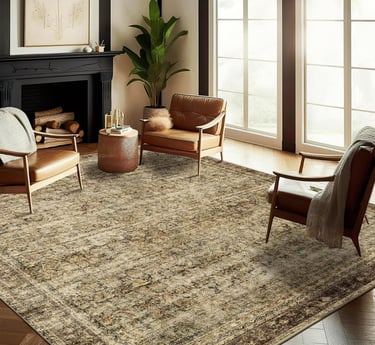
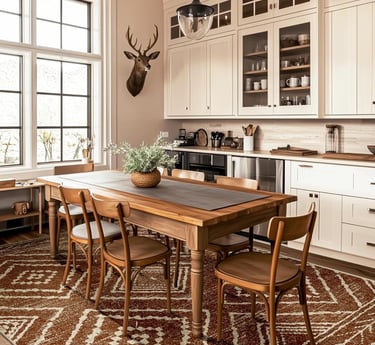
When choosing materials, consider incorporating wood, ceramic, and linen. Wood can introduce a natural element to your decor; whether through furniture or accent pieces, its grain and finish can evoke a sense of comfort and timelessness. For instance, a rustic wooden coffee table or sleek wooden shelves can anchor a room beautifully. Additionally, ceramic items, such as vases or decorative bowls, can introduce a variety of shapes and glazes that add a unique character to your space. The cool feel of ceramics can attract attention and provoke touch, further enhancing the sensory experience.
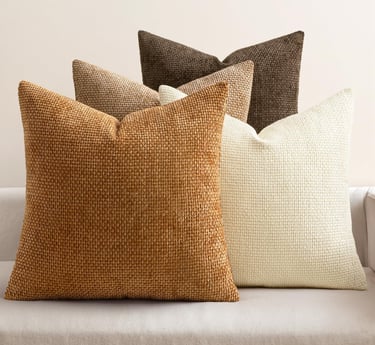
Linen, known for its breathable and soft nature, is another excellent option to enrich your decor. Including linen throw pillows or curtains can soften the visual landscape of a room, creating a contrast against harder surfaces like glass or metal. When layering textures, it’s essential to consider how these materials interact with one another. A combination of soft, flowing linens set against a backdrop of structured wood or sleek ceramics can create a balanced aesthetic that feels cohesive yet dynamic.
Incorporating texture does not require a significant financial investment; layering different materials can be achieved through judicious placement and thoughtful selection of decor items. Ultimately, the meticulous arrangement of textures can result in a sophisticated look that elevates your space, making it feel curated and intentional.
Subscribe Now to Receive Your Free Household Management Planner
Customer Care
Contactus@OsunaHomeTrends.com
Osuna Home Trends is a branch of The Osuna Project LLC
*Affiliate Links receive a small commission to help keep our site running
Contact Us
FAQ