
Creating a Cohesive Aesthetic in Your Home: The Art of Flow
4/28/20265 min read
The Importance of Color Selection
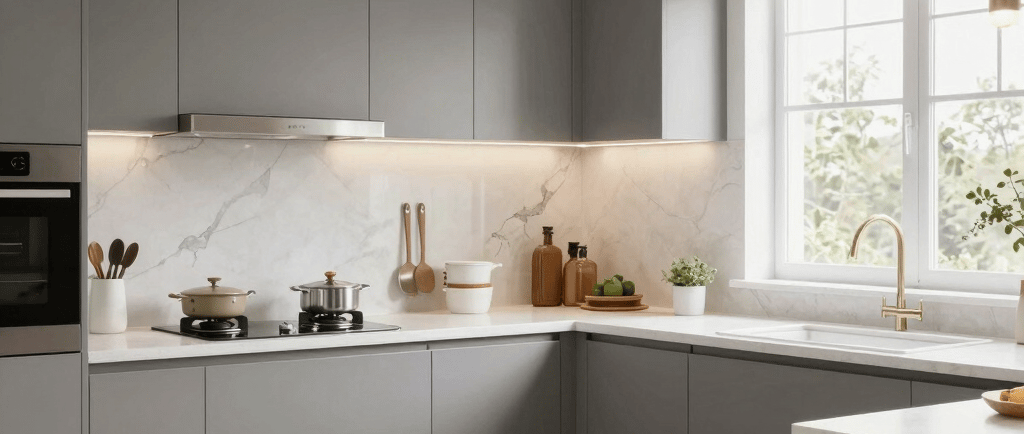
When it comes to creating a harmonious and inviting atmosphere in your home, color selection plays a pivotal role. Choosing a limited color palette, ideally consisting of three main colors, can significantly enhance the cohesiveness and flow throughout your space. A well-balanced color scheme not only unifies various elements of decor but also sets the overall mood of your home.
By selecting three primary colors, you provide a manageable framework that guides your decor choices. Each of these colors can serve a distinct purpose, allowing you to maintain variety while ensuring unity. For example, one color can act as a dominant hue, another as a secondary hue, and the third as an accent color. This approach fosters a thoughtful arrangement, enabling each hue to enhance the others, contributing to a visually appealing environment.
To determine the best three colors for your decor, consider the emotional impact of colors. For instance, blue often evokes calmness, while yellow tends to impart cheerfulness. After selecting your primary colors, explore complementary shades that can enhance or soften the overall look. For example, pairing a deep navy with soft pastels can create a sophisticated yet inviting atmosphere.
Incorporation of colors can take various forms, from paint on the walls to fabrics in upholstery and ornamental items scattered throughout the rooms. Make use of your chosen colors in artwork and decorative accessories to seamlessly integrate them into the overall design scheme. Rugs, cushions, and curtains are also excellent opportunities to introduce your selected hues and reinforce the overarching theme. By carefully factoring in the significance of each color and how they interact, you can create a cohesive aesthetic that speaks to your personal style and invites comfort.
Textures and Styles: Creating Harmony
In the quest for a cohesive aesthetic in your home, the role of textures and styles cannot be overstated. They serve as foundational elements that influence the overall atmosphere, contributing significantly to the visual harmony within a space. To achieve this seamless integration, it is crucial to repeat certain textures throughout your home, albeit in various forms. For instance, incorporating soft materials such as velvet cushions alongside a more rigid fabric like a canvas drop cloth can create depth while maintaining a consistent aesthetic.
When selecting textures, consider their emotional and sensory impacts. Natural materials, such as wood and stone, often evoke feelings of warmth and comfort, while sleek metals and glass can lend a modern edge. These choices should resonate with the overarching theme of your home. Ensuring that the textures you choose complement one another is vital for creating a unified look; for example, pairing a rustic wooden coffee table with soft linen throws can harmonize the differing elements within your living space.
Equally important is adhering to a singular design style. Whether you gravitate towards contemporary minimalism, rustic farmhouse, or eclectic vintage, sticking closely to one style ensures that every piece sparkles in unison rather than competing for attention. This can be achieved by curating accessories, furniture, and art that align with your chosen aesthetic, allowing the integrity of the design to shine through. The strategic use of color palettes that reflect your selected style will also reinforce this cohesion, enhancing the flow of the space.
Ultimately, the careful combination of textures and commitment to a single design style brings forth an environment that feels balanced and inviting. Such choices not only create visual interest but also offer a sense of comfort and belonging. The goal is to craft a space where all elements converge, allowing both you and your guests to experience the harmonious flow of your home.
Consistency and Intentionality in Decor
Creating a cohesive aesthetic in your home hinges on the principles of consistency and intentionality in decor. The allure of a beautifully designed space often diminishes when room to room, decor items seem to lack a shared vision. Random selections can lead to a disjointed look, detracting from the overall atmosphere you aim to create. Therefore, it is crucial to consider a unified approach to your home’s decor.
To achieve this, start by selecting a consistent color palette that resonates with you and reflects the mood you wish to cultivate throughout your home. This does not mean every room must be identical; rather, aim for harmony through complementary colors and similar tones. For example, if you choose cool tones in one room, subtle variations of those hues should be present in adjacent spaces to foster a seamless transition.
Another element to contemplate is the utilization of metals. If you decide on brushed nickel fixtures in your kitchen, consider maintaining that finish in nearby spaces, such as the bathroom and living room. Matching materials can create a sense of purpose and clarity in the overall design of your home.
Moreover, intentionality in decor involves curating your decor items thoughtfully. Avoid clutter by editing down your collection. Assess each piece and ask whether it contributes positively to your theme. Invest in fewer but more impactful decor items that make a statement and resonate with your chosen aesthetic.
In summary, the journey toward a cohesive home aesthetic is best navigated through a commitment to consistency and intentional selection of decor items. By focusing on matching tones and metals, along with thoughtful curation, you can create a harmonious flow throughout your living spaces.
Utilizing Mood Boards for Cohesive Planning
Mood boards serve as an essential tool for anyone looking to establish a cohesive aesthetic in their home. These visual representations can effectively encapsulate your chosen colors, textures, and styles, providing both inspiration and direction for your decor choices. By gathering images, fabric samples, paint swatches, and other design elements, you create a centralized source of inspiration that facilitates thoughtful planning.
To begin creating a mood board, start by defining your overall vision. Consider what feelings you want your space to evoke; whether it’s calmness through cool tones or energy through vibrant hues, identifying the mood is crucial. Once you have a clear objective, curate images that represent your preferences. This could include photos of interior designs you admire, artwork, nature-inspired elements, or even furniture pieces that resonate with your vision.
In the digital age, you can opt for virtual mood boards using platforms like Pinterest or design software, allowing for easy access and modification. Alternatively, traditional methods, such as a corkboard or a physical collage, provide a tactile experience that some find more inspiring. As you gather your materials, pay attention to how the colors and textures interact; a harmonious flow will emerge as you start pinning items together.
As the mood board comes together, it becomes a reflection of your unique style and vision, guiding you in making decor choices that contribute to a cohesive aesthetic. It encourages mindfulness and intentionality, preventing impulsive purchases that may detract from your overall design goals. By the end of this process, you will have a clearly outlined vision that serves as a foundation for creating a harmonious living space that encapsulates your desired aesthetic.
Subscribe Now to Receive Your Free Household Management Planner
Customer Care
Contactus@OsunaHomeTrends.com
Osuna Home Trends is a branch of The Osuna Project LLC
*Affiliate Links receive a small commission to help keep our site running
Contact Us
FAQ